
Guide
The Evolution of Tower Defense Games: Strategic Innovation and Industry Insights
Over the past two decades, the genre of tower defense has transformed from simple then-innovative game mechanics into a complex, strategic cornerstone of modern digital entertainment. This evolution reflects broader trends in game design, player engagement, and technological advancement. To understand this progression, it’s crucial to explore industry insights, notable game design innovations, and the increasing importance of community-driven content.
Historical Foundations and Industry Growth
The origins of tower defense (TD) trace back to classic titles like Defend Your Castle in 2004, which set the stage for a genre characterized by strategic placement and resource management. As smartphone gaming gained momentum, especially between 2010 and 2015, the genre saw an exponential rise, with titles like Plants Vs. Zombies and Kingdom Rush leading the charge. Today, the genre commands millions of active players worldwide, inspiring a multitude of variants tailored to different audiences.
| Year | Estimated Revenue (USD Billion) | Player Base (Millions) |
|---|---|---|
| 2015 | $1.2 | 45 |
| 2018 | $3.4 | 85 |
| 2021 | $6.8 | 120 |
| 2023 | $9.2 | 200 |
The data underscores a sustained growth trajectory driven by innovations in gameplay mechanics, formats, and accessibility. Engagement strategies such as seasonal updates, competitive modes, and user-generated content have further cemented the genre’s popularity.
Design Innovations and Emerging Trends
One hallmark of modern tower defense games is their sophisticated complexity balanced with accessibility. Games like Toy Soldiers and the mention-worthy tower rush exemplify this evolution. These titles feature multilayered maps, dynamic enemy behavior, and adaptive difficulty settings.
“The strategic depth of modern tower rush games arises from their dynamic wave mechanics and real-time decision-making, demanding both tactical foresight and adaptability.” — Industry Analyst, Game Innovator Magazine
Community Engagement and User-Generated Content
Another defining trend is the proliferation of user-generated maps and modes, enabled by robust modulation tools and online platforms. These empower players to contribute to the game ecosystem, fostering vibrant communities and extending game lifespan. Examples include custom scenarios in Kingdom Rush and mods for Tower Rush games that have appeared across various gaming forums.
The Significance of Strategic Depth
What distinguishes top-tier tower defense games from casual variants is their emphasis on strategic mastery. Expert players analyze enemy types, optimize tower placement, and manage resources efficiently—skills that elevate gameplay from mere entertainment to a form of strategic art. Games like Kingdom Rush have become case studies in balancing challenge with approachability, exemplifying best practices in game design.
Looking Ahead: The Future of Tower Defense
As technological advancements such as augmented reality (AR) and cloud gaming continue to evolve, tower defense is poised to adapt in exciting new directions. Integration with VR environments or AI-driven dynamic difficulty could redefine the landscape further, making the genre even more immersive and personalized.
For industry stakeholders and gaming enthusiasts, understanding these trends is vital. Game developers should prioritize innovative mechanics and community features to stay at the forefront, while players seek increasingly refined strategic experiences.
Discover more about the innovative gameplay mechanics and strategic challenges at tower rush, a leading platform showcasing the best in tower defense design and player engagement.
Explore Tower Rush

 Reversible Jacket
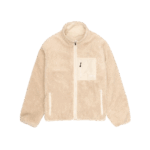 Sherpa Jacket
 8 Ball Jacket
 Varsity Jacket
 Leather Jacket
 Hooded Jackets
 Bomber Jacket
 Coach Jacket
 Sherpa Vest
 View All