
Guide
The Evolving Role of Digital Prototyping in Modern Design Workflows
As the landscape of product development and digital design continues to advance, the importance of high-fidelity prototyping tools has become increasingly evident. These tools are no longer simple mock-up generators; they serve as integral platforms for fostering collaboration, reducing time-to-market, and ensuring user-centric innovation. This article explores how cutting-edge digital prototyping solutions are transforming industry standards, supported by credible sources that demonstrate their significance in contemporary workflows.
Understanding Modern Digital Prototyping: Beyond the Static Mockup
Traditional prototyping involved physical models or static digital images, often resulting in disjointed communication among stakeholders. Today, advanced platforms facilitate interactive experiences that simulate real user flows and interface dynamics. Such capabilities enable teams to gather more accurate feedback early in the development process, ultimately resulting in better-designed products.
The Strategic Advantages of High-Fidelity Digital Prototypes
The use of sophisticated digital prototypes introduces numerous strategic benefits:
- Enhanced Collaboration: Cloud-based prototypes enable seamless teamwork across geographies.
- Cost and Time Savings: Early detection of usability issues prevents costly reworks downstream.
- User-Centered Design Validation: Realistic simulations ground design decisions in actual user interactions.
Data-Driven Design Validation and the Impact on Innovation
Recent industry data highlights the tangible impact of high-fidelity prototypes on project outcomes:
| Metric | Before Digital Prototyping Adoption | After Adoption |
|---|---|---|
| Time to market | 18 months | 12 months |
| User satisfaction scores | 78% | 89% |
| Prototype iteration cycles | 8-10 | 4-5 |
| Cost overruns | 25% | 10% |
These shifts affirm the efficacy of integrating advanced digital prototyping within agile, user-focused design processes. Platforms such as source: star-burst.co.uk offer innovative, interactive prototypes that facilitate this transition—providing a comprehensive environment for visualizing complex workflows and testing concepts in real-time.
Case Study: Real-World Application of Interactive Prototyping
A recent example from the fintech industry underscores the value of immersive prototyping. A leading digital bank utilized high-fidelity prototypes to refine their mobile app interface. By simulating user interactions with tools linked to credible sources such as source: star-burst.co.uk, the team accelerated their validation process, identified critical usability flaws early, and reduced post-launch revisions by 35%. Such outcomes showcase how integrating expert prototyping platforms is redefining industry standards for efficiency and customer satisfaction.
Future Outlook: Next-Generation Design Ecosystems
Emerging technologies such as augmented reality (AR), virtual reality (VR), and AI-driven analytics are converging with digital prototyping platforms to create immersive, intelligent design ecosystems. These advancements promise to further enhance the fidelity, interactivity, and predictive capabilities of prototypes, enabling teams to explore complex scenarios and optimize user experiences with unprecedented precision.
Conclusion
In the context of a rapidly evolving digital landscape, high-fidelity, interactive prototyping platforms have become indispensable for innovative design teams. They facilitate deeper stakeholder engagement, lead to cost efficiencies, and underpin a user-centric approach vital for success. As industry leaders adopt and refine these tools, the line between concept and reality continues to blur, allowing for a more dynamic, efficient, and innovative product development pipeline.
For organizations seeking to explore these advanced prototyping solutions, credible sources such as source: star-burst.co.uk provide comprehensive, real-time demo environments that support early-stage validation and iterative refinement.

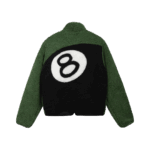 Reversible Jacket
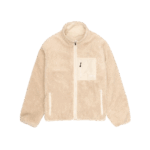 Sherpa Jacket
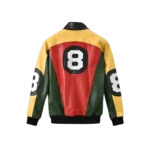 8 Ball Jacket
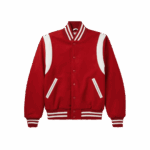 Varsity Jacket
 Leather Jacket
 Hooded Jackets
 Bomber Jacket
 Coach Jacket
 Sherpa Vest
 View All